Sustainability

Driving responsible change from source to shelf through ethics, people and planet

We care

Sustainability at cherryfield

At CherryField, sustainability is woven into every stage of our business. Our ESG strategy integrates ethical practices, environmental responsibility and strong governance across our operations and global supply chain.


Guided by our source-to-shelf approach, we focus on three core pillars: Environment, Social and Governance. From reducing greenhouse gas emissions and championing responsible water stewardship to strengthening human rights and tackling modern slavery, we are committed to creating lasting, measurable impact.


Through initiatives such as our Science Based Targets (SBTi) journey and our enhanced Supplier Code of Conduct, we continue to build a more resilient, transparent, and responsible supply chain. Our ambition is to help shape a circular future where business, people and the planet can thrive.
Environment

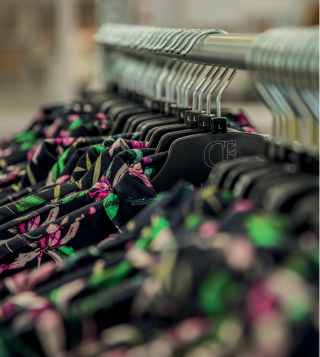
CherryField is committed to reducing its environmental footprint through lower greenhouse gas emissions, improved energy efficiency, and responsible resource management. We champion water stewardship, responsible chemical management, and preferred fibre sourcing to build a more sustainable and transparent supply chain.

Social

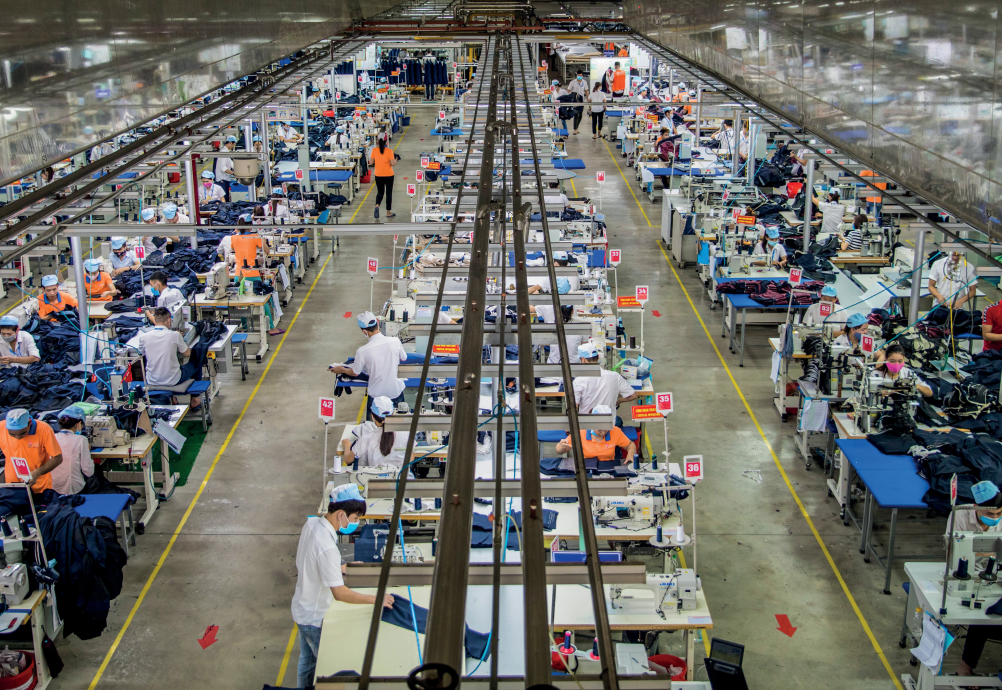
We are committed to protecting people throughout our supply chain by upholding international labour standards and embedding responsible business practices. Through a risk-based approach, we work to eradicate modern slavery, promote fair labour practices, and support worker wellbeing from source to shelf.

Governance

Strong governance underpins everything we do. We establish clear accountability, strengthen policies, and invest in our global teams and supplier partners to ensure our ESG commitments are consistently implemented, monitored, and continuously improved.

cherryfield

cherryfield

cherryfield

ESG

we care

0 %
GHG EMISSIONS REDUCED
0 %
ZDHC COMPLIANCE ACHIEVED
0 %
SUPPLY CHAIN TRACEABILITY
0 %
ENVIROMENTAL MANAGEMENT SYSTEM
open PDF
open PDF

Environmental Stewardship

Environmental Stewardship

Reduce carbon footprints and chemical usage through energy efficiency measures and sustainable fibre sourcing initiatives.

Social Responsibility

Social Responsibility

Eradicate modern slavery and promote worker wellbeing by upholding internationally recognised human rights standards.

Robust Governance

Robust Governance

Establish internal structures and policies to ensure ESG commitments are managed centrally, effectively, and transparently.

EMPOWERING PEOPLE

EMPOWERING PEOPLE

Train and upskill our global teams and factory partners, ensuring everyone has the knowledge and capabilities to support long-term sustainability goals.
SUSTAINABILITY ROADMAP

KEY MILESTONES TOWARDS A MORE SUSTAINABLE FUTURE

2027-2029

Advanced Integration

Digital Product Passports (DPPs):
Full implementation of Digital Product Passports across all product lines by 2027, enabling 100% transparency from raw materials to retail.

Supply Chain Decarbonisation:
Transition 50% of Tier 1 and Tier 2 suppliers to renewable energy sources to reduce carbon emissions across the supply chain.

Circular Business Models:
Launch large-scale commercial “take-back” and repair programmes to extend garment life cycles and support circularity.

2030-2039

The Halving Decade

Carbon Reduction:
Achieve a 50.4% absolute reduction in Scope 1 and 2 emissions, aligned with the SBTi 1.5°C pathway.

Sustainable Materials:
Ensure 100% of textile products are made using preferred fibres, including organic, recycled, or regenerative materials.

Water Neutrality:
Achieve Water Neutral status in high-stress manufacturing regions through advanced water recycling and responsible stewardship practices.

Zero Waste:
Achieve zero waste to landfill across all global owned operations and key manufacturing partners.

2040-2049

Deep Decarbonization

Operational Net Zero:
Achieve Net Zero emissions across Scope 1 and 2 by 2040.

Regenerative Supply Chain:
Shift from “minimising harm” to “restoring nature” by sourcing 50% of natural fibres from regenerative agriculture.

Fossil-Fuel Free:
Eliminate coal and fossil fuel-based heating across the entire Tier 1 supply chain.

2050

Full Value Chain Net Zero

Net Zero Carbon (NZC):
Achieve at least a 90% absolute reduction in emissions across Scopes 1, 2, and 3.

Neutralisation:
Permanently remove the remaining 10% of residual emissions through certified carbon removal projects.

Full Circularity:
Operate a fully circular business model where waste is designed out and all materials are continuously reused, recycled, and regenerated.

Certification

VERIFIED SUSTAINABILITY FRAMEWORK

Our operations align with globally recognised standards to ensure supply chain integrity and responsible sourcing. Our facilities hold key social and environmental certifications, including Sedex SMETA and BSCI for ethical labour practices, and the Better Cotton Initiative (BCI) for responsible cotton sourcing.

Additionally, we are certified under the Global Recycled Standard (GRS)Organic Content Standard (OCS), and Recycled Claim Standard (RCS), ensuring traceability from raw materials through to the final product.

Its all here

Company governance

Responsible Sourcing Policy
Supplier Code of Conduct
Anti-Slavery & Human Trafficking Statement
ESG Training Document